As everyone is now probably aware President Obama is proposing to engage in Executive actions to address the immigration situation in this country. This issue is something my wife and I have worked on for roughly 18 years. Even as recently as January of 2013, shortly after President Obama announced some of his reform proposals I was a guest on a BBC program discussing it.
The link for the podcast for the BBC segment is here: http://www.bbc.co.uk/programmes/p013hg1c. It was a segment on Newshour and the correspondent was Owen Bennet Jones. Fast forward to the 26:30 mark to hear the segment. I speak about 6 minutes or so after the story starts.
A little inside information regarding it … I was frustrated because the border guy said some things that were totally wrong. I could offer to pay $40 or $50 an hour and no one still would pick weeds for 8 hours a day. Further, the average wages in ag in the U.S. are $10 an hour, and then you have to factor in the free housing we provide and all that entails. In other words, it’s not as low as he insinuated. Finally, I don’t set or control my prices, they are dictated to me. How does the border guy expect me to make up the difference of the proposed labor cost increases? The U.S. has had a cheap food policy since the New Deal and the Great Depression, there are deep systemic policies and provisions in place that make it so, and a wave of a hand will not change it.
The engineer knew I was chomping at the bit but they ran out of time … maybe next time!
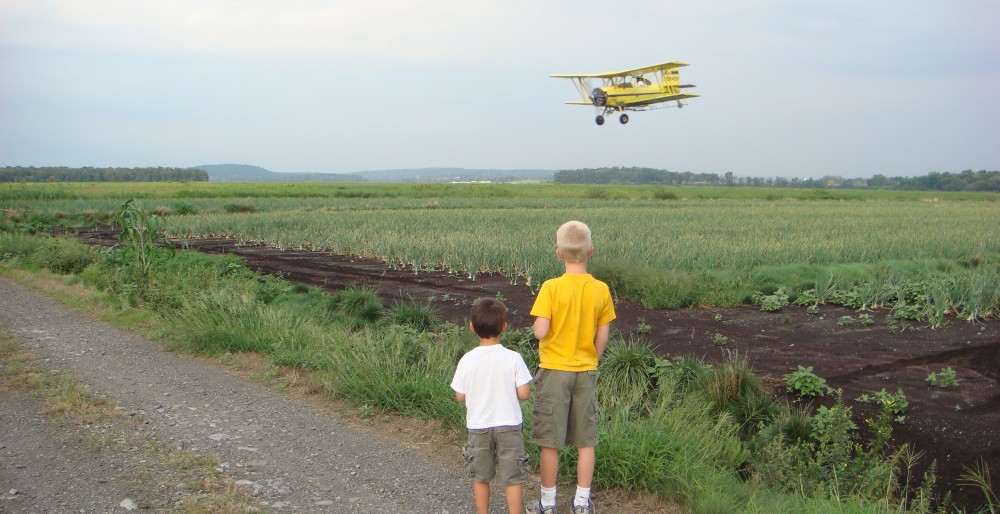
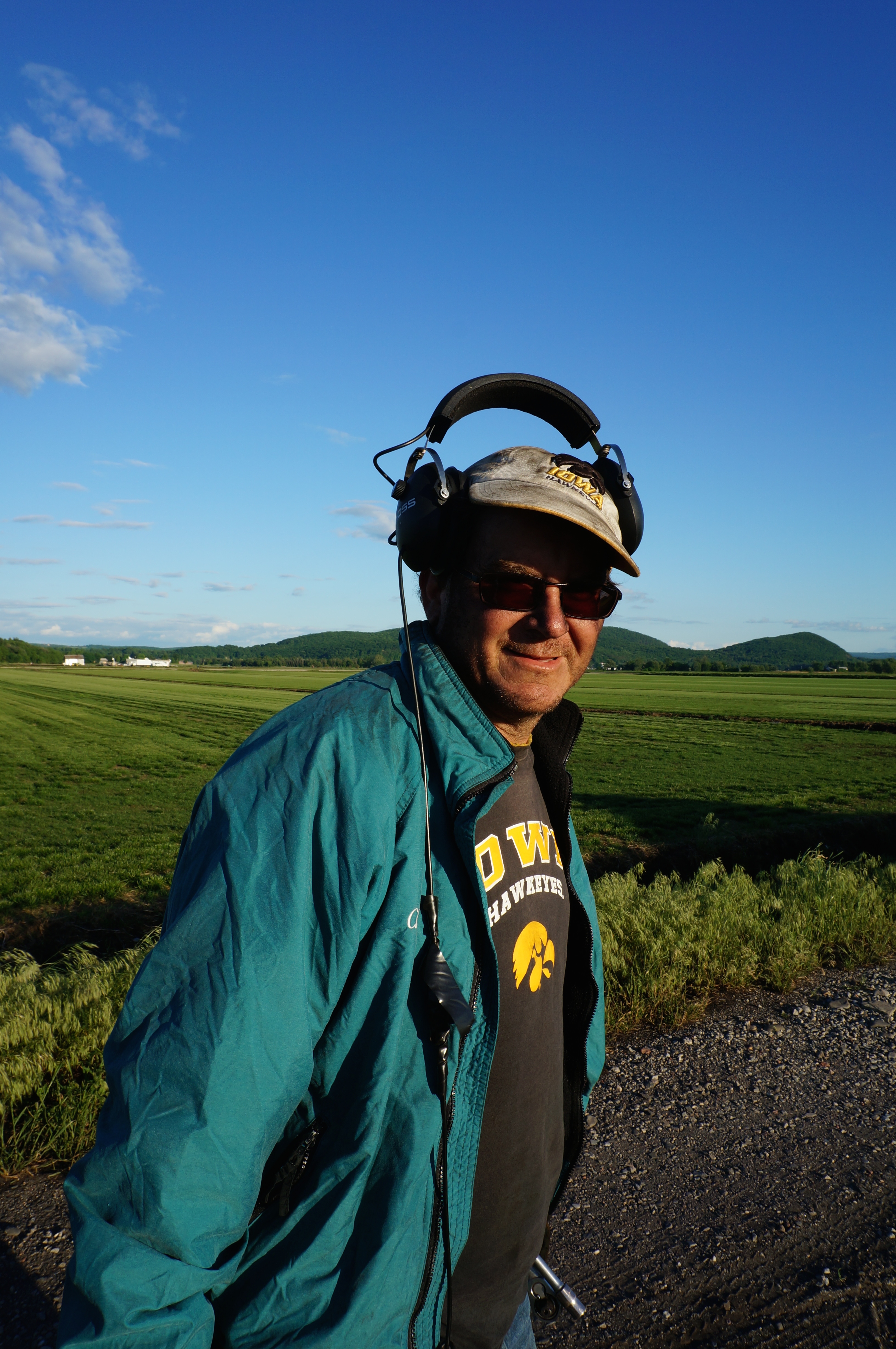
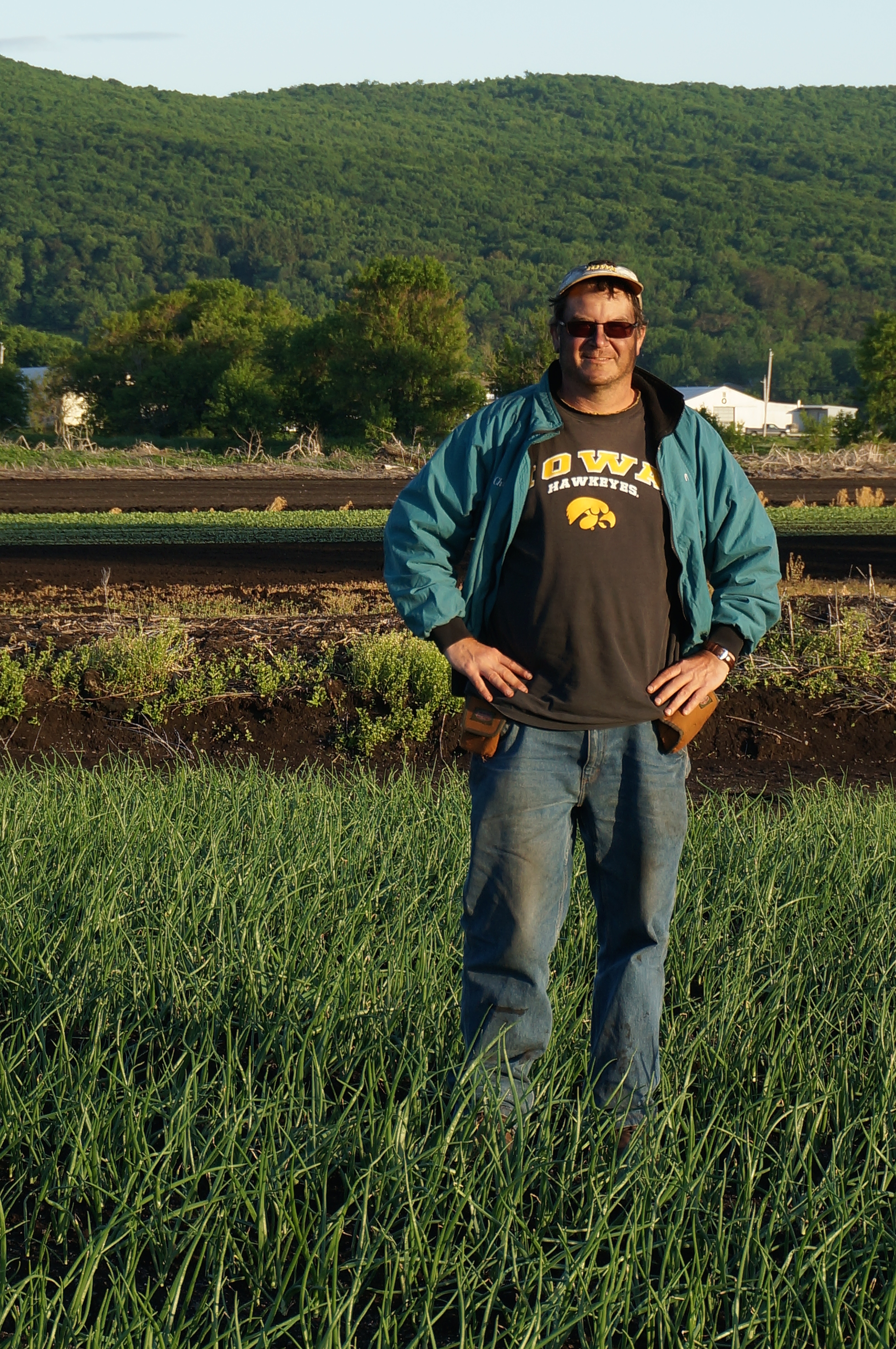
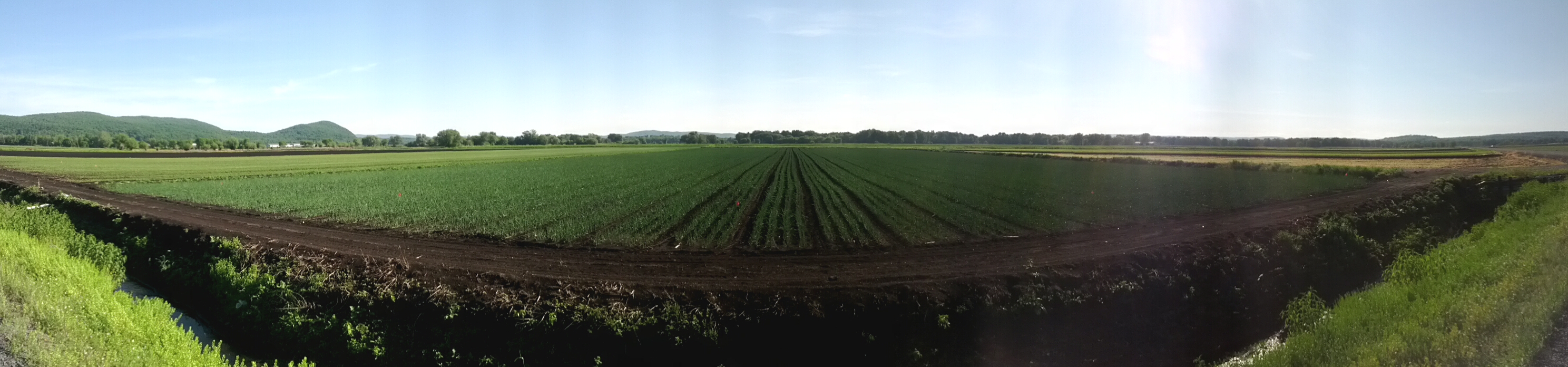
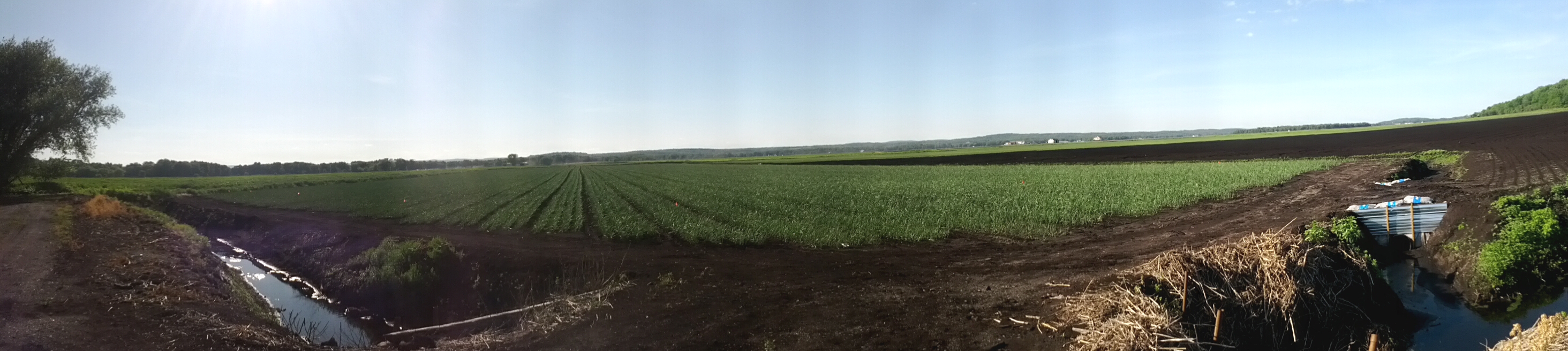
Owen profiled my farm here: http://www.bbc.co.uk/programmes/b01p02n9
Fast forward to the 18:30 mark … this aired on 11/24/12. He talks about my immigrant great grandfather.
And in December of 2013 I was quoted in a piece on Fox News Latino By Elizabeth Llorente entitled ”
Immigration Reform: Pessimism And Optimism Alike On Prospects For 2014.”
Back in 2006, when the “Sensenbrenner Bill” was being debated Senators Larry Craig & Saxby Chambliss convened a group of about 15 farmers from across the country to discuss the immigration and ag labor issue on the Hill and I was Senator Clinton’s farmer designee at the meeting. The room was evenly split between farmers who wanted no amnesty and farmers who wanted blanket amnesty.
From that meeting my wife Eve and I crafted a “White Paper” ag immigration proposal where we tried to bridge the divide and come up with a compromise between the two factions. I think you may find it quite interesting. It has been shopped around the Hill for some time.
Below is my re-cap (in the form of an e-mail sent to Sen. Schumer’s staff at the time) of the meeting and attached is the White Paper reform proposal.
Date: Thu, 9 Feb 2006 09:11:05 -0500
To: Scott Stroka
From: Chris & Eve Pawelski
Subject: New York Farm Bureau ag immigration mtg follow-up
Cc:
Bcc:
X-Attachments: :Elijah:1765210:White Paper – Labor Reform.pdf:
2/9/06
Dear Scott,
I just wanted to take a moment to thank you for meeting with members of New York Farm Bureau yesterday regarding the issue of agricultural labor immigration. It is a vital topic that needs to be thoroughly examined, addressed and debated. Especially before any piece of legislation is passed and enacted. We greatly appreciate the chance to provide our input and perspective to your office.
As we mentioned yesterday, the American Farm Bureau economic impact study of HR 4437 (The “Sensenbrenner Bill”) or a bill that deals only with border security, points out that roughly 1/3rd of US domestic fruit and vegetable production would cease immediately after implementation. In a short period of time later the rest or overwhelming majority of US domestic fruit and vegetable production would subsequently go out of business.
This isn’t hyperbole or exaggeration. There are no willing domestic workers available to replace the workers that HR 4437 would remove from the labor pool. No matter what labor rate farmers paid. American citizens do not want to work seasonally, on farms, planting, hand weeding, cultivating, harvesting and packing produce. And without these workers not only will farmers lose their labor force but many of our outlets, (in the case of much of the fruit and vegetable portion of the sector, our packers), who package our products and deliver them to the grocery store chains, rely on the same labor pool as we do. There will be no willing workers to grow nor pack fresh produce.
This isn’t about wage rates. My non-farming neighbors do not want to do seasonal farm work. They don’t want to get dirty. They don’t want to work in the sun, in the fields. Not at any wage rate. And farmers in the U.S. are price takers, not price makers. We can’t pass on any wage rate increases to the chain stores to offset any steep labor cost increases even if we wanted to. For many parts of our sector we have been paid the same price, not adjusted for inflation but dollar for dollar, for the last 25 years. We can’t pass on any increases in cost.
As the AFBF economic study points out, while our domestic agricultural production will be critically damaged the chain stores will merely replace our U.S. produced fruits and vegetables with foreign based product. Currently, a tiny fraction, less than 2% of all food imports, are tested or inspected when entering this country.
Much of the debate surrounding this issue has been cast or framed under the mantra of “national security.” Farmers agree that national security is a very important issue. We want our borders to be secure. We want to know who is in our country, why they are here and what they are doing. But a law that attempts to tighten the borders and throw out people vital to food production doesn’t enhance our security. Having a safe, viable and abundant domestic food supply is an important part of “national security.” Making a law that essentially ends domestic fruit and vegetable production and critically cripples other forms of domestic agricultural production, including dairy and livestock, grain production and horticulture, hurts our national security.
To emphasize, a minute fraction of foreign food imported into the U.S. is currently tested by U.S. inspectors. Do we as a society want to rely on the near total importation of fruits and vegetables and merely hope or trust our nation’s enemies won’t taint, poison or attack that food supply abroad? Do we as a society want to run the risk that at some point our fruit and vegetable supply may be cut off in a time or crisis or war? What will our government do at that point? Ask our citizens to once again plant “victory gardens?”
Attempting to enhance one aspect of national security by closing the borders and throwing people out of this country will irreparably harm another aspect of national security when the U.S. agricultural industry, especially the fruit and vegetable sector, shuts down, and our country has to rely primarily, if not exclusively, on foreign imports.
This trade off would be short sided public policy, making us less secure and more vulnerable.
Again, we really appreciate the time we had to meet with you. Below this e-mail are my notes of the meeting I mentioned attended back in November. It was the roundtable discussion meeting hosted by Sen. Craig and Sen. Chambliss that dealt with this issue. Attached to this e-mail is the compromise proposal that my wife and I developed as a result of that meeting. It really attempts to creatively address the more divisive aspects of this debate, especially the adjusted status issue.
If you have any questions or need any additional information please don’t hesitate to contact my wife and I by phone or e-mail (contact information below) or Bob Hokanson, National Affairs Coordinator of NYFB.
Sincerely,
Chris Pawelski
My notes of the November 16, 2005 meeting held in 328A of the Russell Senate office building regarding agricultural labor immigration reform:
Attendees:
* The meeting was organized and attended by Sen. Chambliss and Senator Craig.
* It appeared there were 3 or 4 staff members present as well. One staffer, whose business card I got, was:
Camila Knowles
Legislative Assistant
Senator Saxby Chambliss
Georgia
* There were 15 farmers/grower representatives
dairy farmer – California
sweet potato (I think) – Louisiana
sweet potato – Mississippi
sweet potato – Mississippi
sweet potato – Mississippi
onions – New York
nursery – Minnesota
Christmas tree and vegetables – Wisconsin
mushroom operator – Pennsylvania
UFF rep. and vegetable operation – California
tobacco farmer and chair of AFBF labor committee – Kentucky
Pilgrim’s Pride – Texas (amongst a number of states
peaches & vegetables – South Carolina
pecan & peaches – Georgia
vegetables – Georgia
There was no agenda, nor roll call sign in sheet. Participants just quickly said their name and occupations once around the table. I may have mixed up some of the operations (the Minnesota and Wisconsin operations could be opposite of what’s stated above). Things moved very quickly.
The meeting – topics & room dynamics:
General Overview:
Senators Craig and Chambliss sat at the front of the table, flanked by the Georgia farmer to Craig’s right and the California dairy farmer to Chambliss’s left. Craig and Chambliss seemed cordial and friendly to each other; I sensed no open tension. But, they were not overly warm other. Neither was putting the other in a headlock and giving the other noogies. There was very little joking or off topic comments. Staff did not say a word during the meeting proper.
Chambliss opened by stating what the purpose of the meeting was, regarding looking for compromise regarding ag immigration issues, and they wanted to hear real grower concerns. It was pointed out by the Senators that neither proposal of theirs had enough votes regarding cloture. I believe it was mentioned that this issue has gotten more contentious. It was mentioned there were a number of new immigration proposals have been released and they were mentioned by name (Kennedy/McCain; Cornyn/Kyl, and Chairman Spector’s Mark). One of the Senators specifically stated that most of these proposals do not have an ag title but Spector evidently said one would be added to his. One of the Senators said that ag immigration reform would be the touchstone for broader immigration reform and plainly stated that if ag labor reform can’t be accomplished you can’t possibly do the rest.
Chambliss and Craig’s comments were quite brief. Chambliss then opened the roundtable discussion this way: For those of you that use H2-A what works and what doesn’t and for those that don’t why don’t you use it?
Comments were then made, in sequential order, around the table.
The southern growers were all, I believe H2-A users, the rest, with a couple of exceptions, were not.
* Everyone complained about AEWR and the 50% rule. It was pointed out that those rules are antiquated, they were designed to prevent workers being displaced, which doesn’t happen anymore.
* Much discussion centered on Legal Services, and concerns over their actions. I pointed out that in NYS one of our Legal Services is not LSC funded, so they can represent undocumenteds, which leads to greater problems regarding the 50% rule. I also pointed out that the LSC funded and non funded groups are co- mingling cases, which is a violation of the law (Craig and Chambliss were nodding their heads over that). The Georgia farmers pointed out they have never lost a case yet have spent over $200k and $300k respectively in legal fees. I think the inference was AgJobs strengthens Legal Services. Chambliss pointed out in his provision a loser pays legal expenses, which minimize some of the frivolous lawsuits. Everyone agreed that should be part of any compromise, assuming (which I did) that the loser pay both sides.
The discussion then became more free flowing, people mentioning concerns, problems, and what should and shouldn’t be in any compromise.
The bigger operators, like the California dairy operation, the two mid western guys, all stressed that an earned adjusted status must be part of any reform proposal. The southern contingent was very adamant that they vigorously oppose such a measure. Chambliss stated he can’t support such a concept. This is the “irresistible force meeting the immovable object.”
I, and others, especially the Wisconsin farmer, pointed out concerns that the House will pass a draconian measure, the Senate will pass only a slightly less draconian measure, and the conferees will have nothing to work with. The Wisconsin farmer pointed out that though he isn’t in Sensenbrenner’s district he has met with him and Sensenbrenner is one national crisis event from passing his “throw everybody out and build the fence bill” and ag will be screwed.
All mentioned that there are virtually no domestic workers willing or able to do this work. I believe the Minn. farmer told of how he placed ads, a handful applied, one person actually showed up, and didn’t make it through lunch, at his operation.
The Pilgrim’s Pride person went on and on about her concerns regarding proper id’ing and social security rejections. She seemed to be supporting some sort of stricter grower id action, though I think she was more so just venting. No one jumped on that bandwagon. The Wisconsin farmer said on his farm he has a “don’t ask, don’t tell” and everyone else nodded their heads in agreement.
The Kentucky farmer stressed the point that whatever compromise provision is reached it has to consider ALL aspects of agriculture, regions and commodities. One region or commodity should not be favored over others or ignored. Everyone agreed on that.
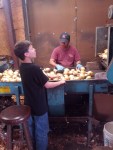
Chambliss asked the group if anyone thought they would have any problems filling out a streamlined visa application (he was asking, in a round about way, if persons would have a problem with his blue card application process). I don’t think anyone said they would have a problem with it, though I stated that whatever the process is it can’t require the undocumented that’s here to return to their home country, and then apply for the visa from there. Craig leaned forward and stated that was an important point/concern. I pointed out that if all undocumenteds were forced to leave during the application process you would shut down the onion packing business in my region (and presumably in other areas) and that would, in effect, shut down onion distribution to the grocery chains on most of the eastern seaboard.
Some discussion centered on the housing issue. The operators in California and Minn. are near urban areas and providing housing is not an option. Discussion ensued if a stipend should be required, and how much. Of course our area provides housing so how do you not penalize one region or practice over another?
Craig stayed for 3/4 of the meeting and then left for another meeting. After some more discussion Chambliss indicated that this process was ongoing and seemed to indicate that our further input would be requested.
One farmer was quite dismayed over the Republican’s actions in regard to this issue (I suppose the demagoguing and the like). I wanted to say (but didn’t) that Republican’s are split on this issue, some are very anti-immigration but business Republican’s recognize the need for these individuals to do this work, that few Americans are willing to do (I’ve seen this stated on the WSJ editorial board tv show on PBS).
There was really nothing else of a partisan nature stated during the meeting.
Analysis/conclusion:
The discussion was quite interesting and one got to see a number of different positions and viewpoints. A number of items stand out though:
* The room was in strong agreement that this issue is at a critical point and if something reasonable isn’t reached, proposed and passed soon then ag might be facing a terrible crisis.
* The room was fairly evenly split over the obtaining adjusted status issue. It was the issue that persons seemed most dug in on, with little to no room for compromise. And no compromise positions or ideas were offered, by anyone.
* There were no compromise ideas or positions offered or stated, for the most part. Mainly what was stated was a list of things that either must, or must not, be included in the legislation. Many things were in agreement but some of the musts vs. must haves, like the adjusted status, are diametrically opposed.
I’m sure I’m forgetting a great deal but I hope some of these thoughts/impressions of the meeting help provide a sort of framework for what took place.
It really was a privilege to be in the room. I’d really like to thank Senator Clinton and her staff (especially Melissa) and Bob Hokanson from NYFB for the opportunity to represent ag labor concerns for NYS. I tried to express concerns not just for my part of the sector, seasonal vegetable growers, but also of dairy and other year round employees and the packing operations.
If you have any questions regarding what I have written please don’t hesitate to e-mail or call me.





































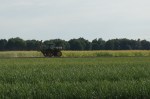


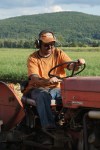




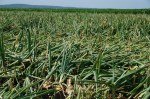
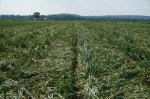


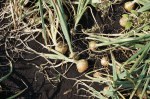
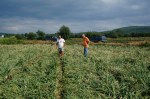











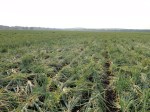









































































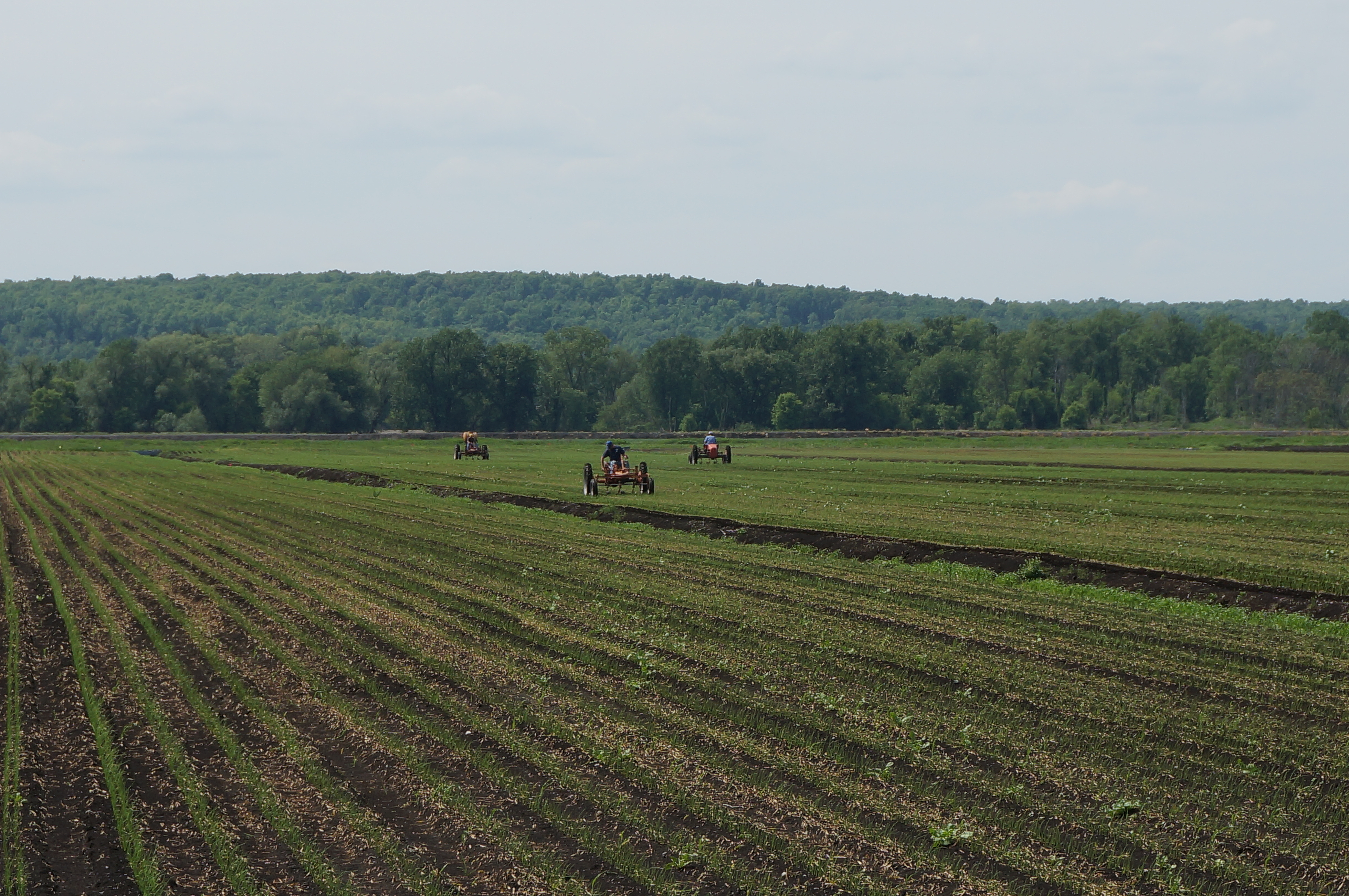

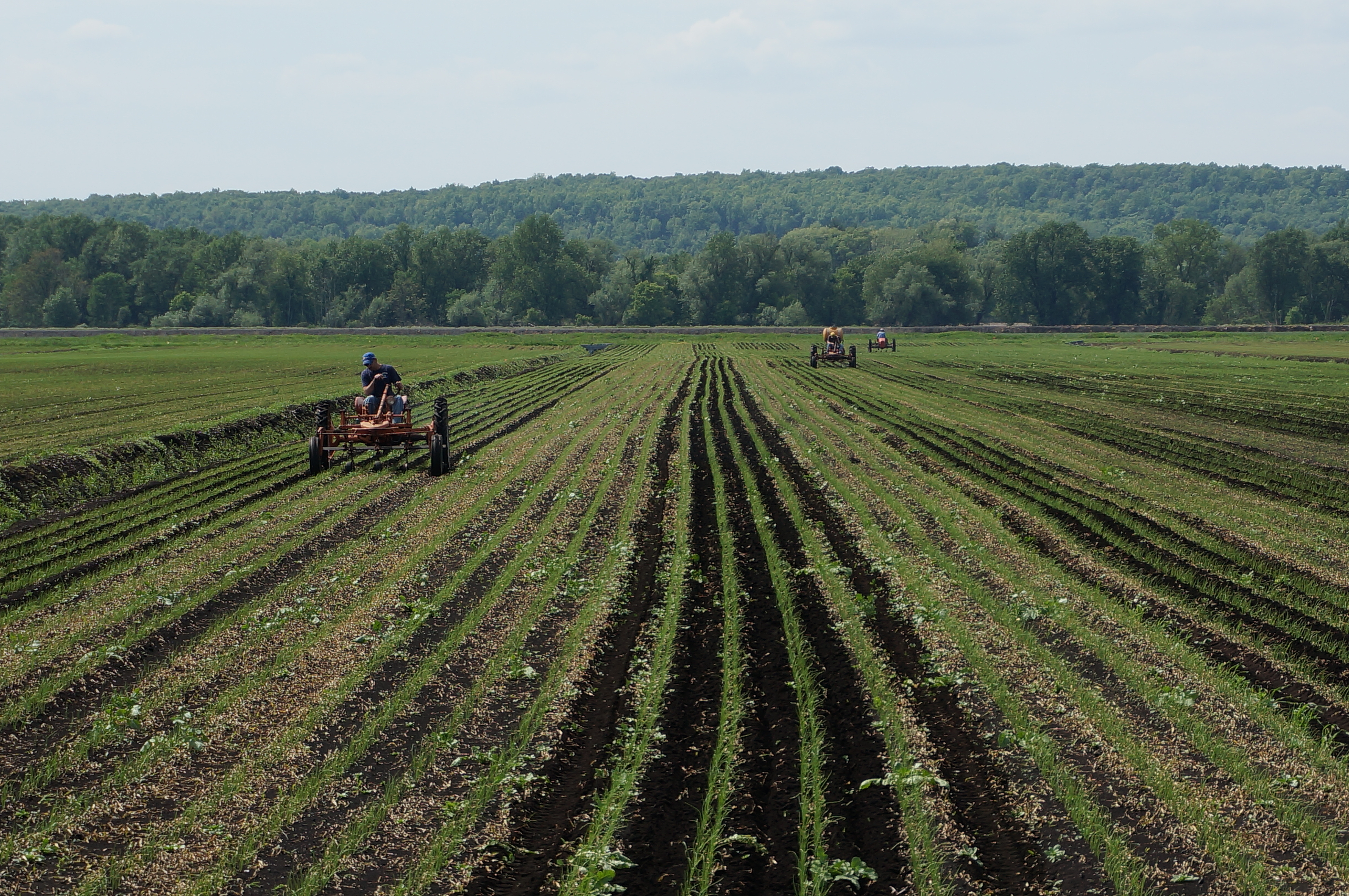
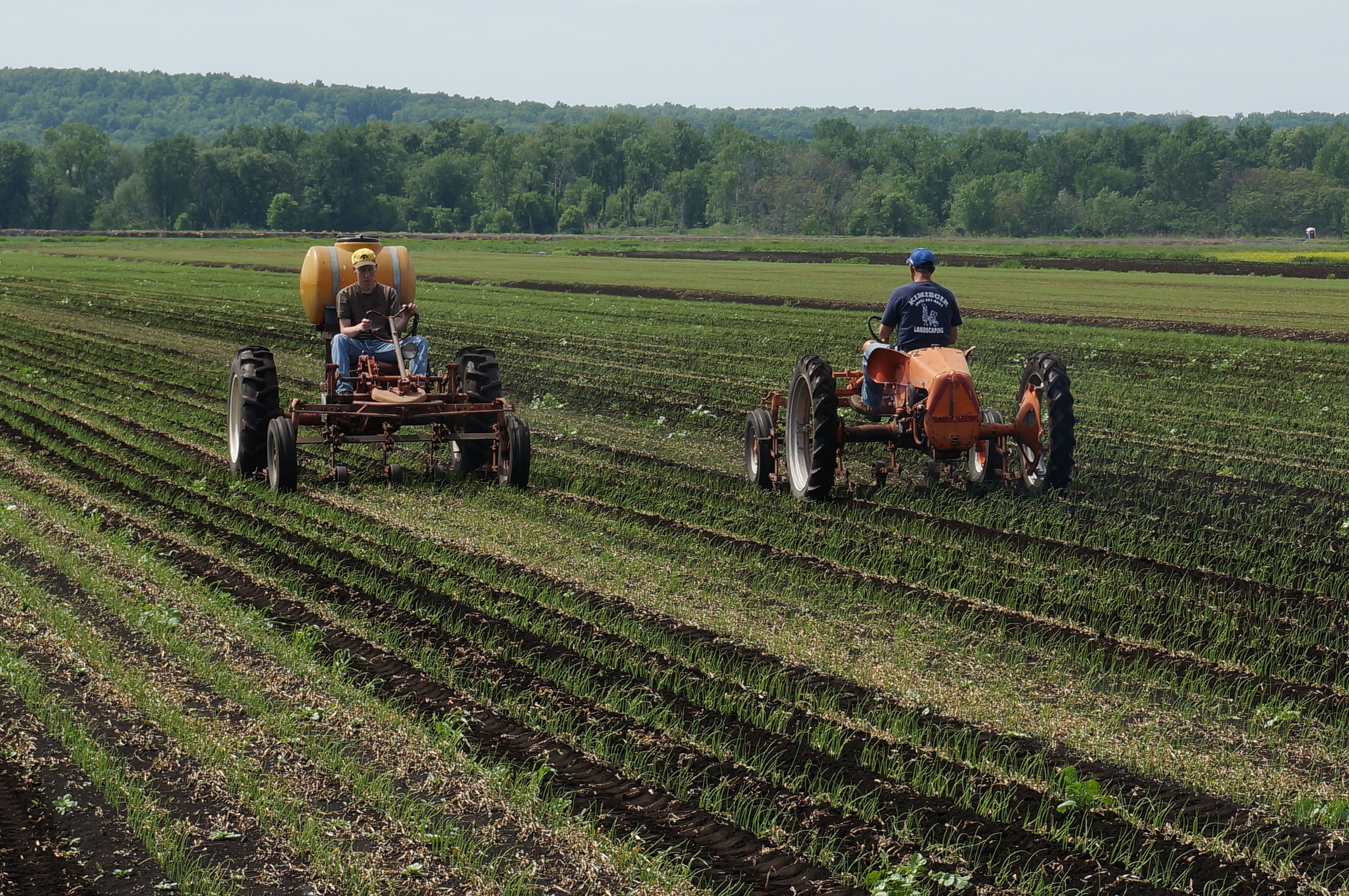

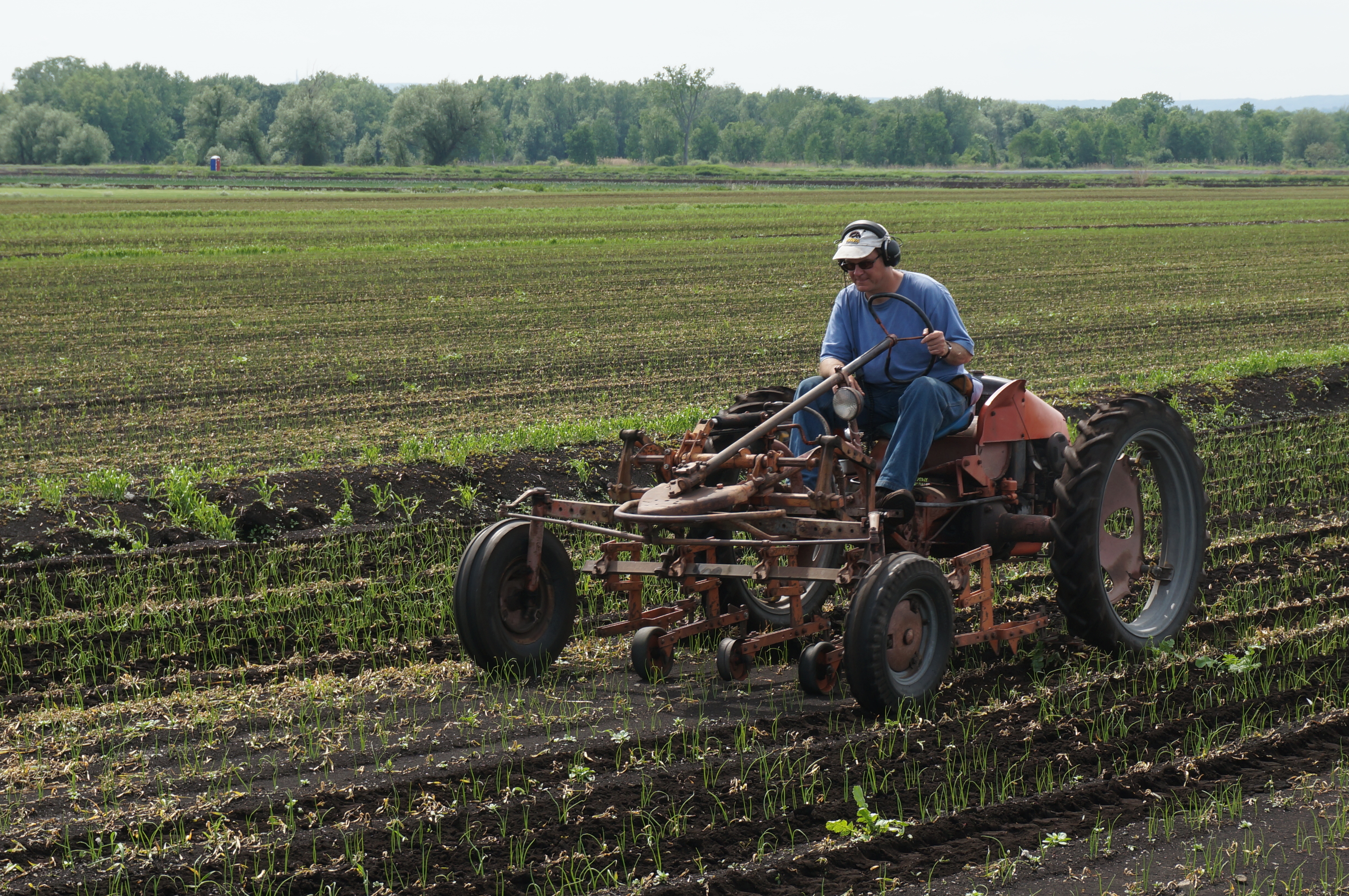
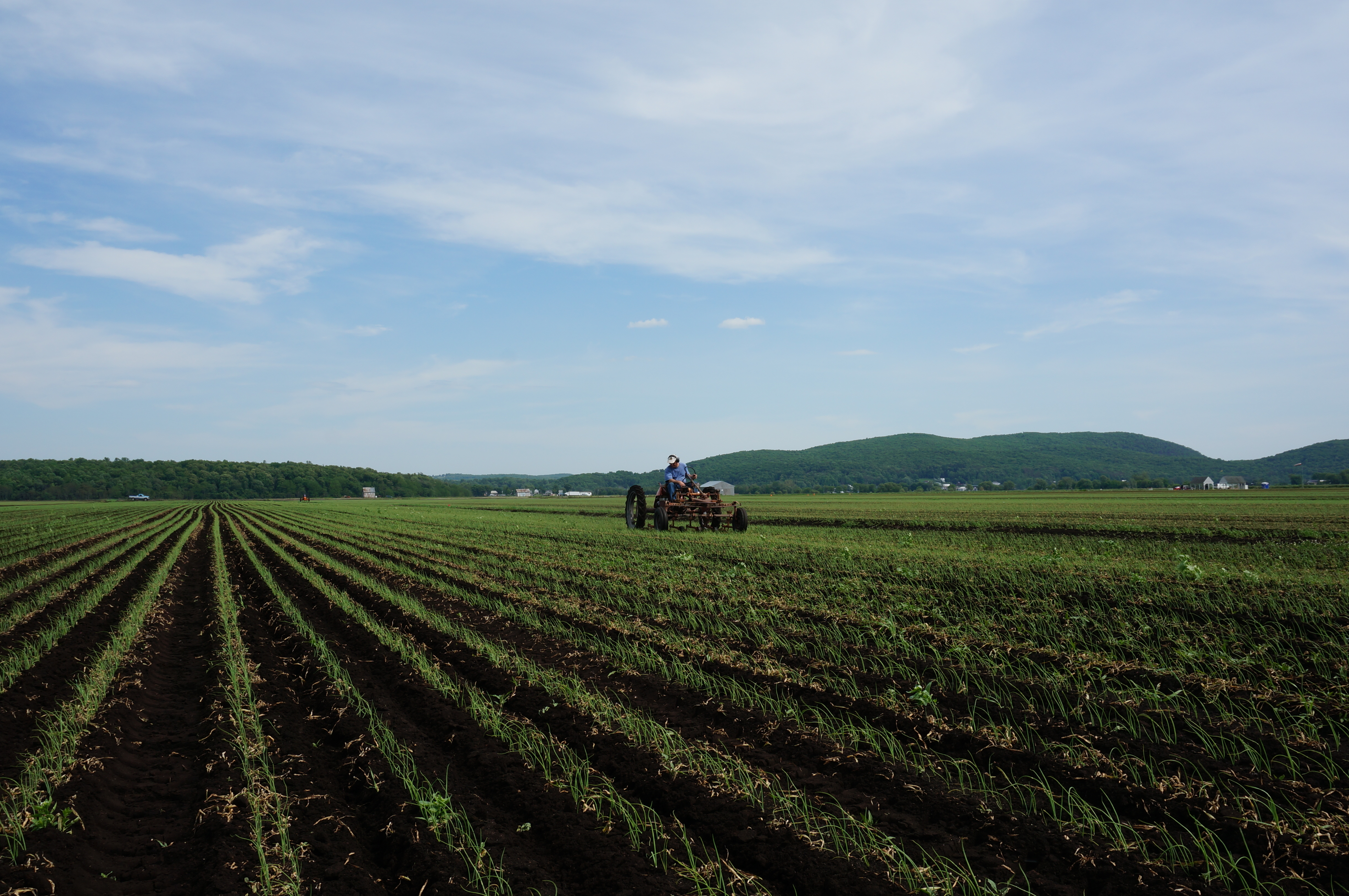

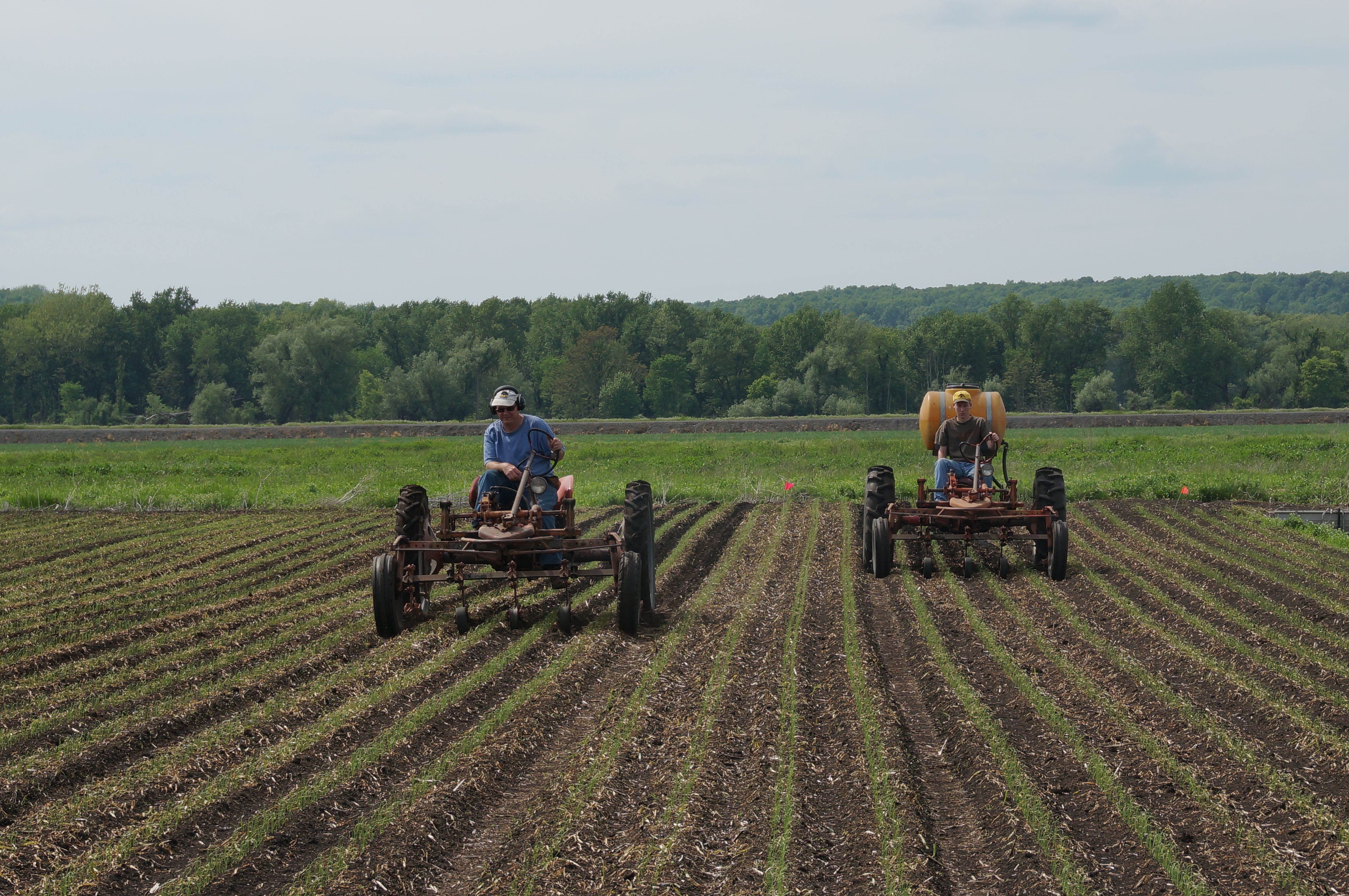
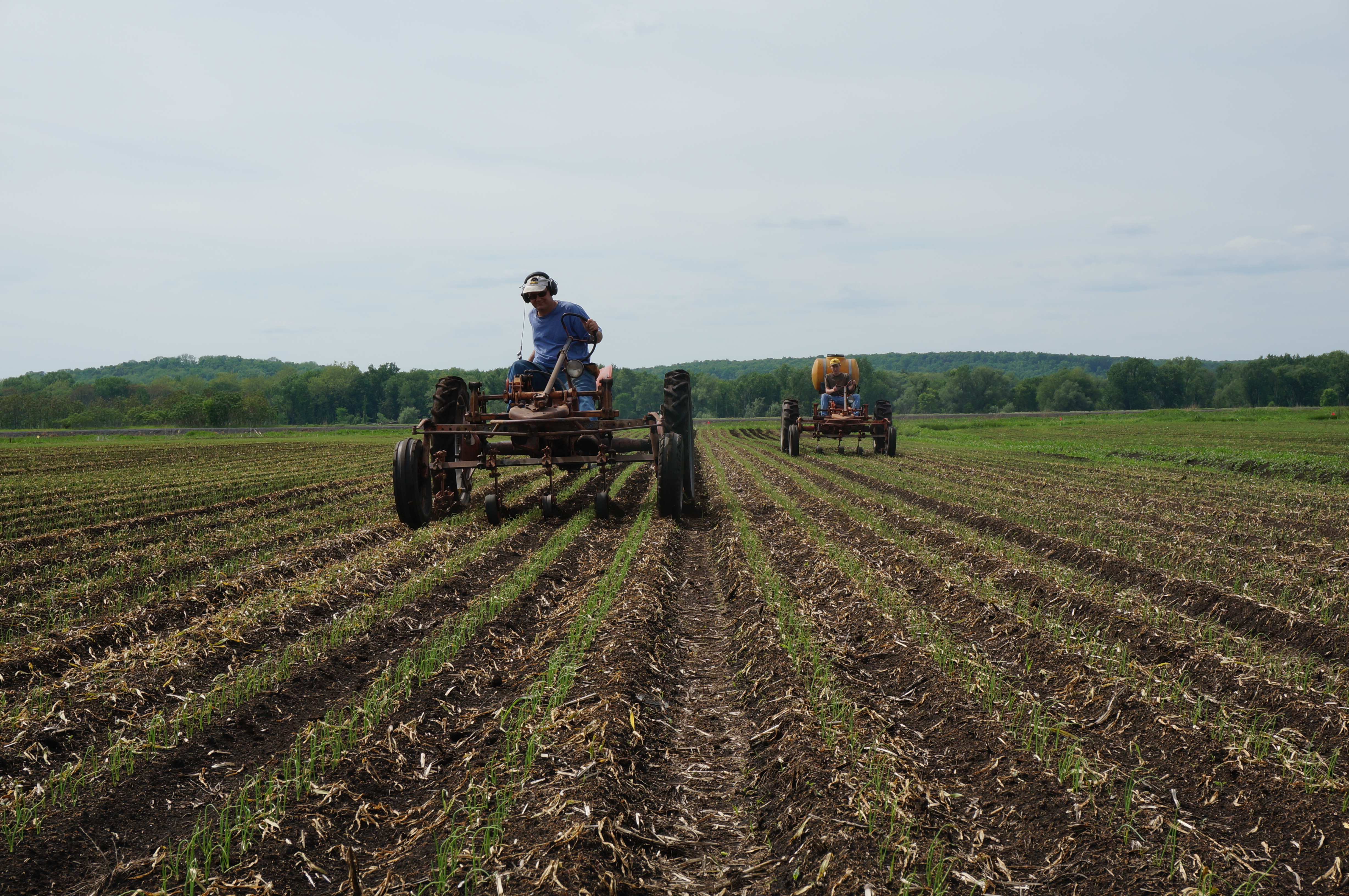
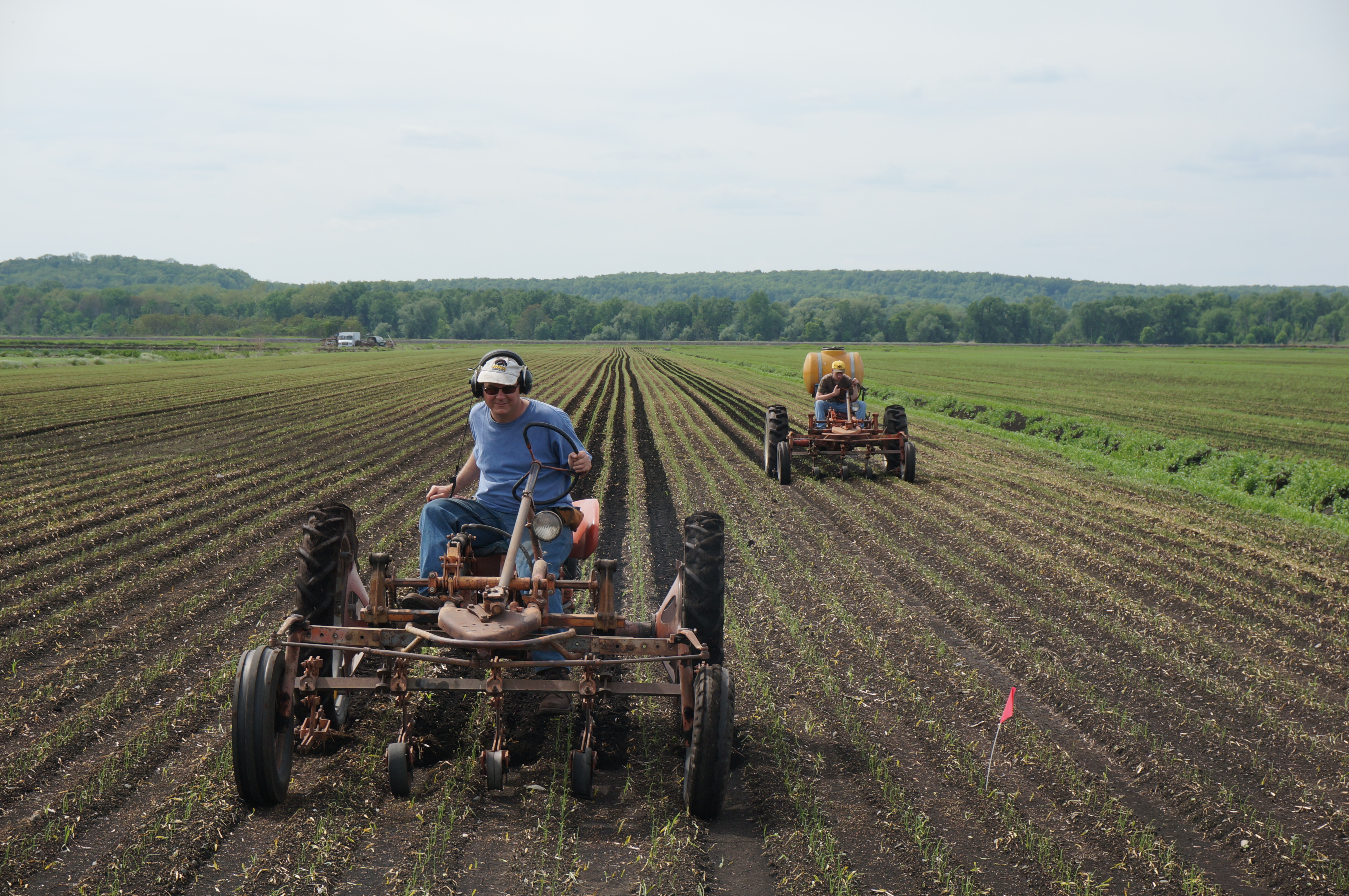














































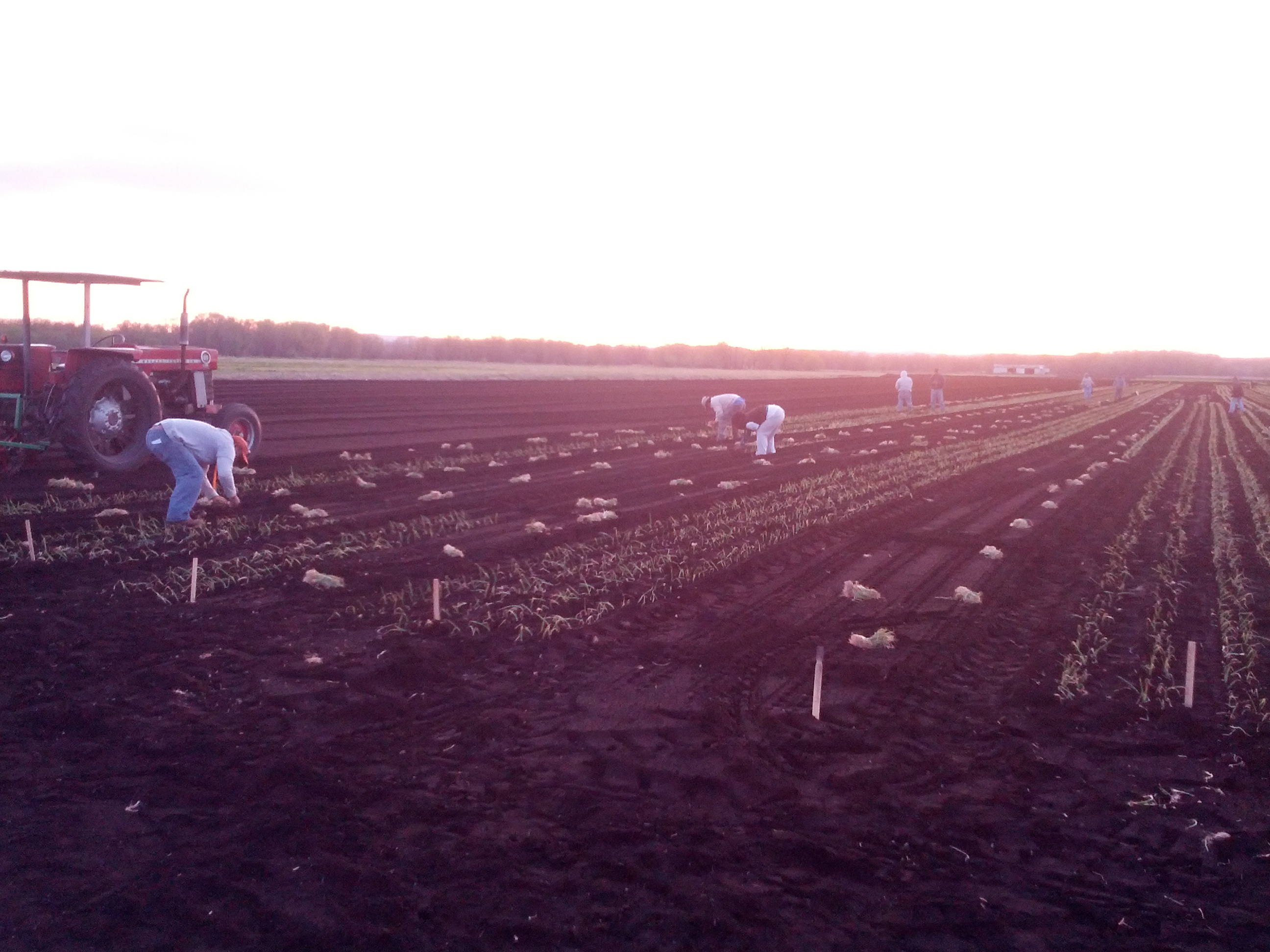


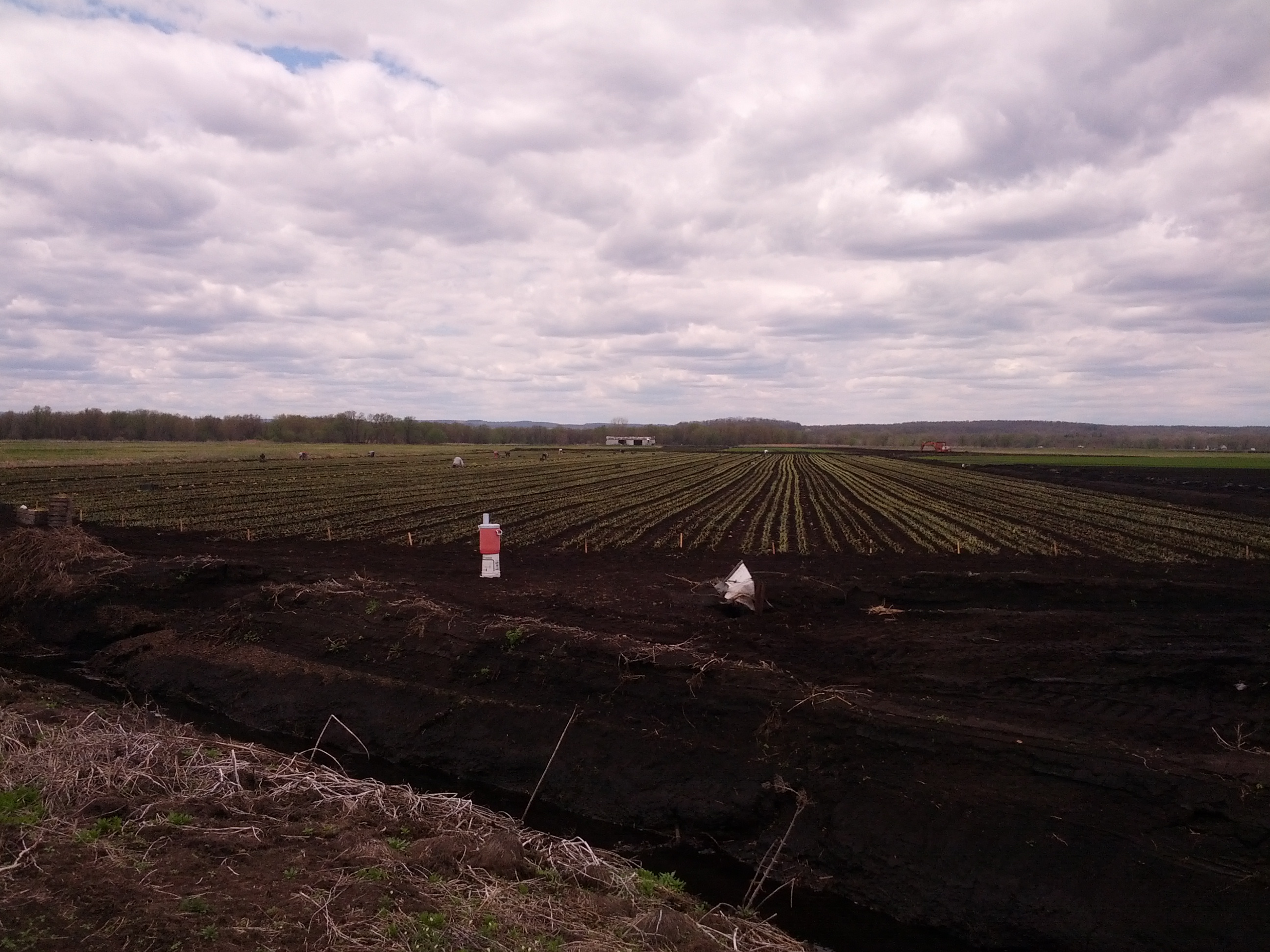
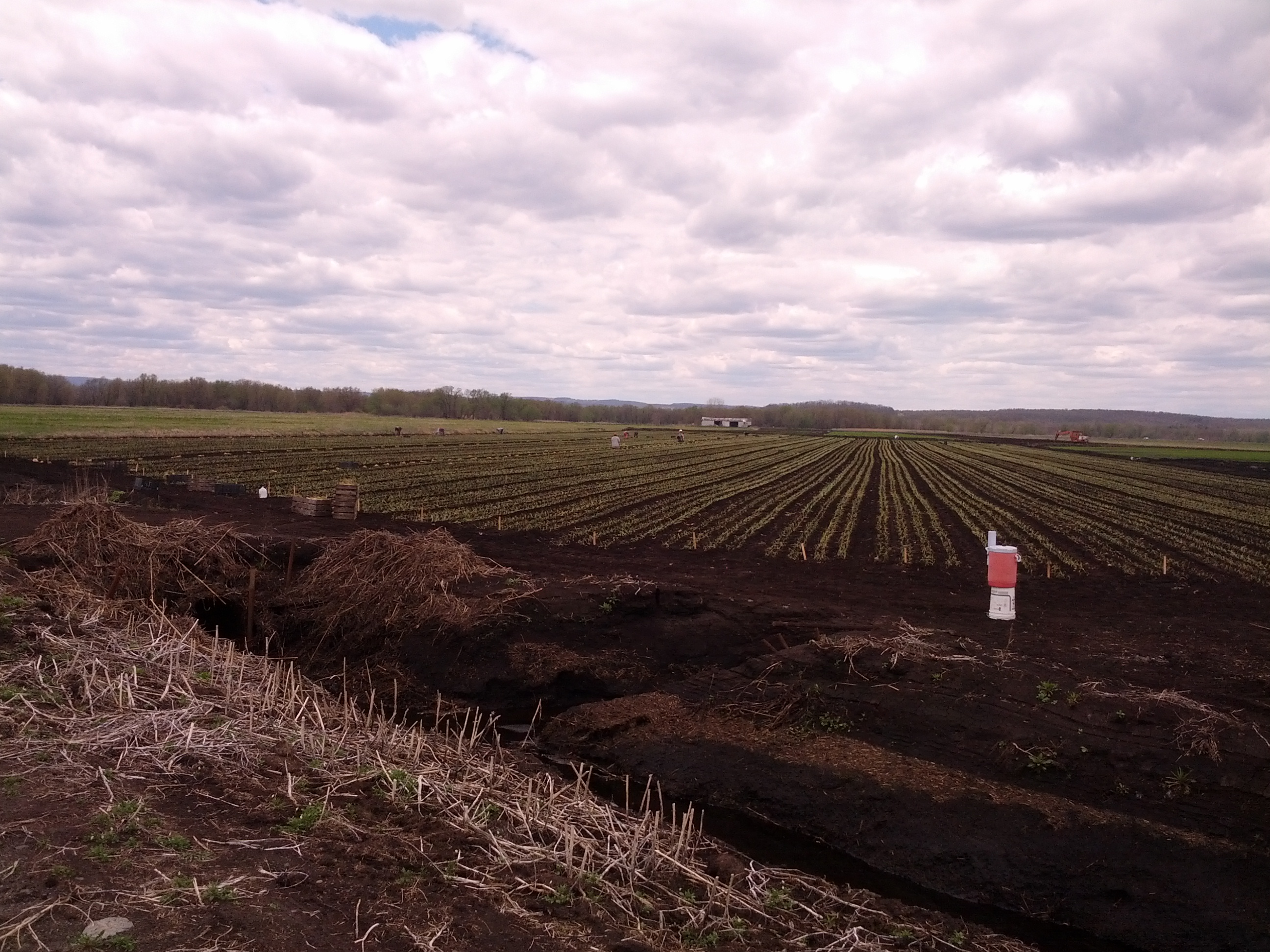


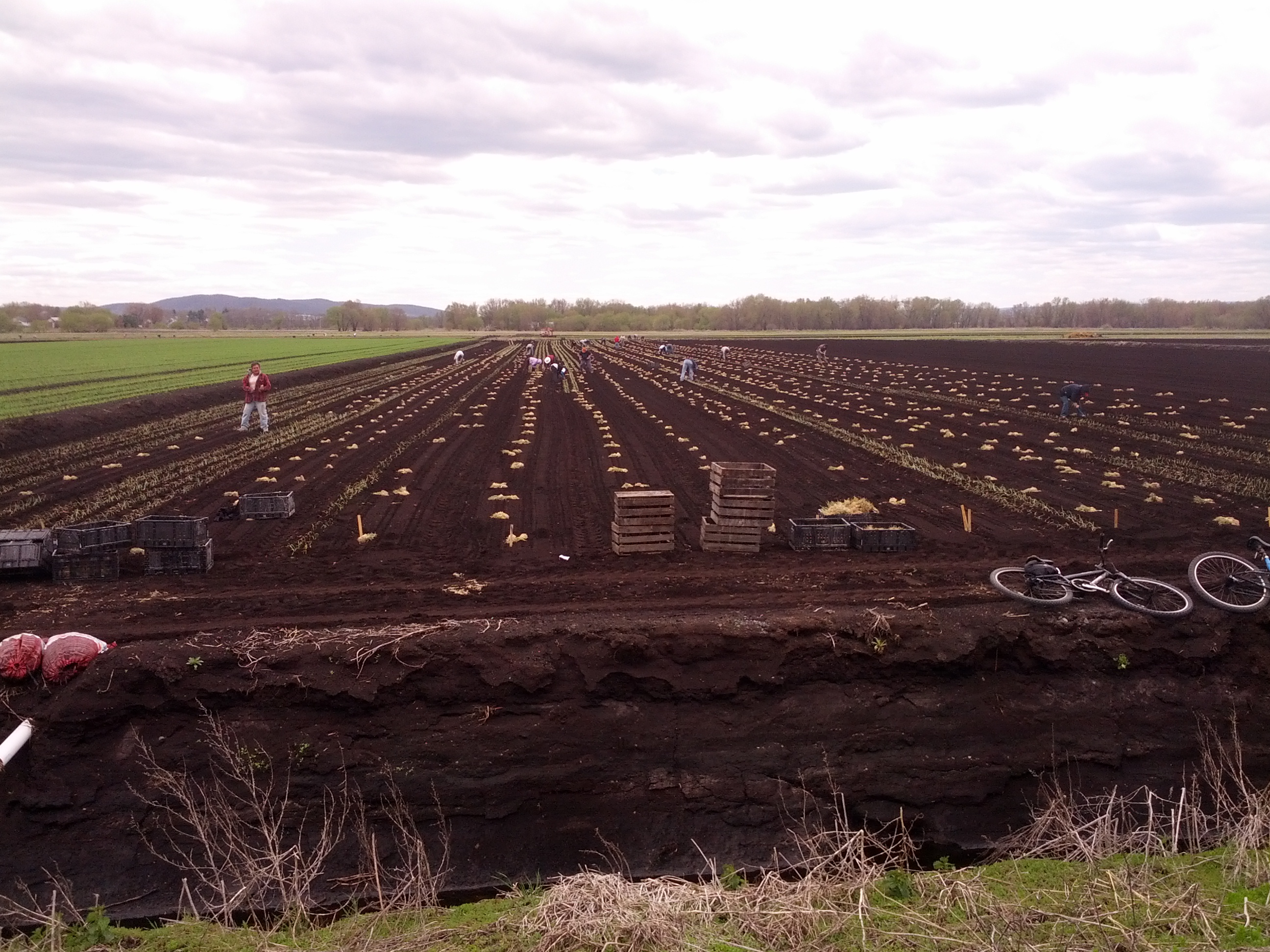










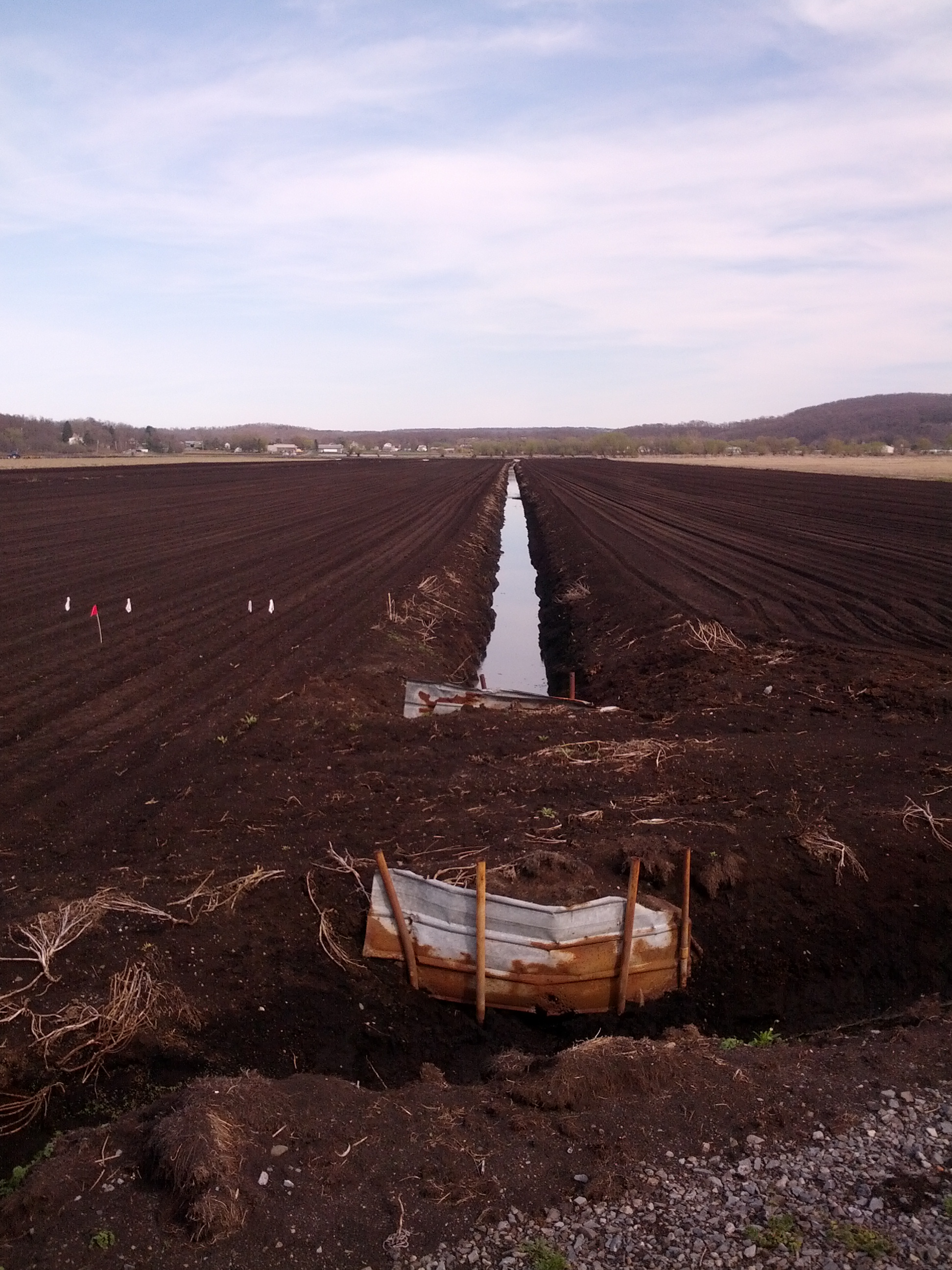
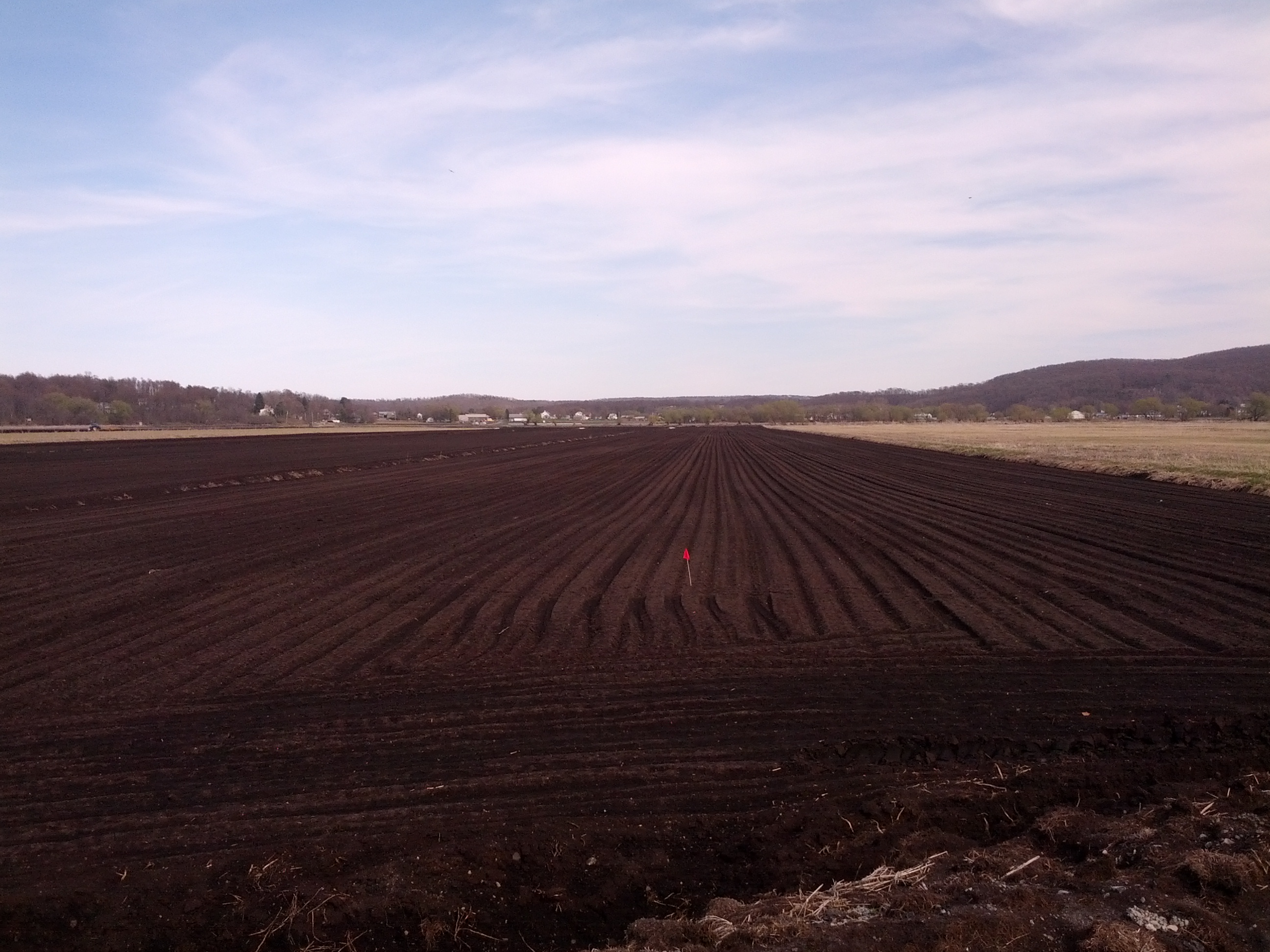
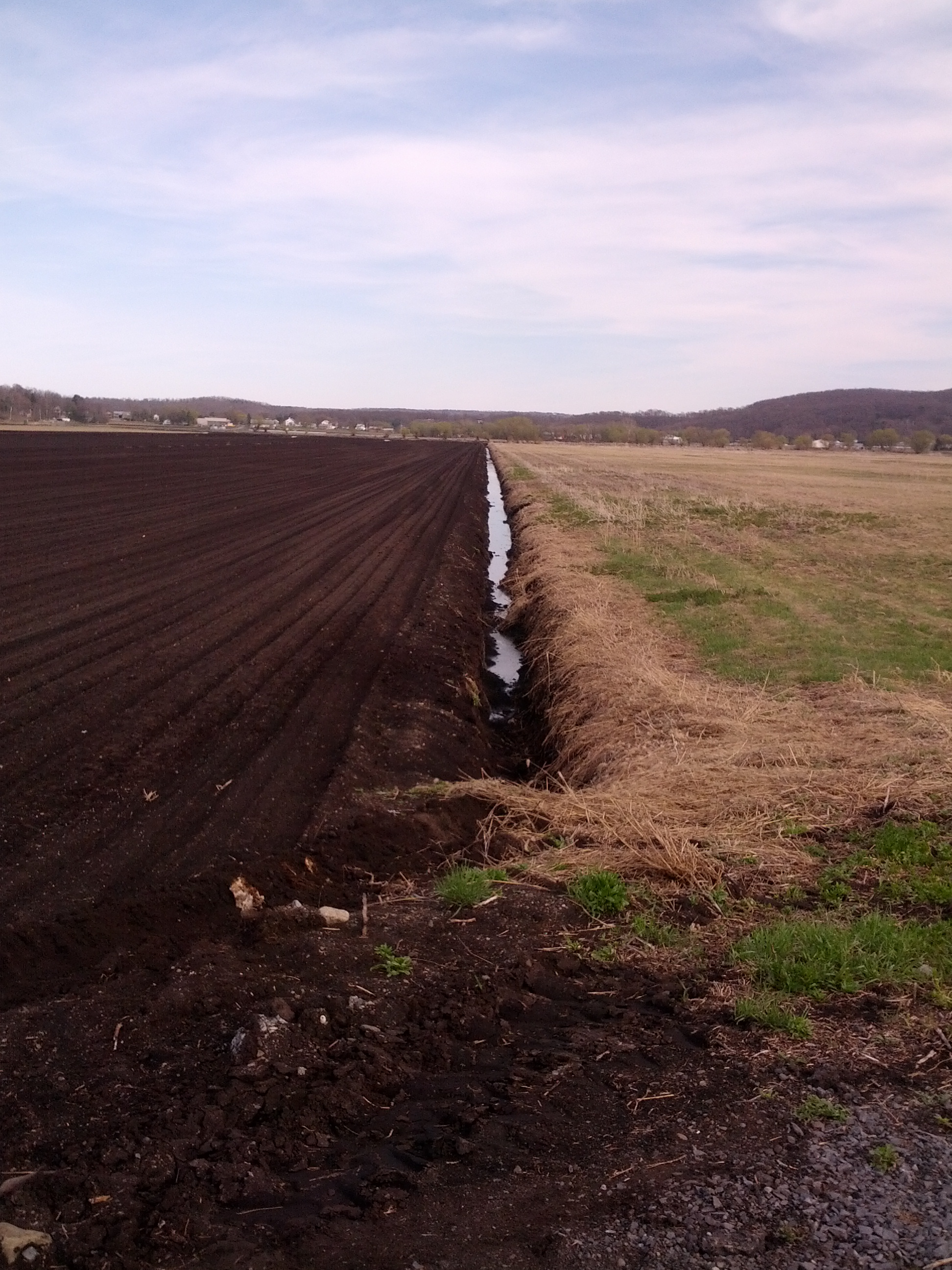
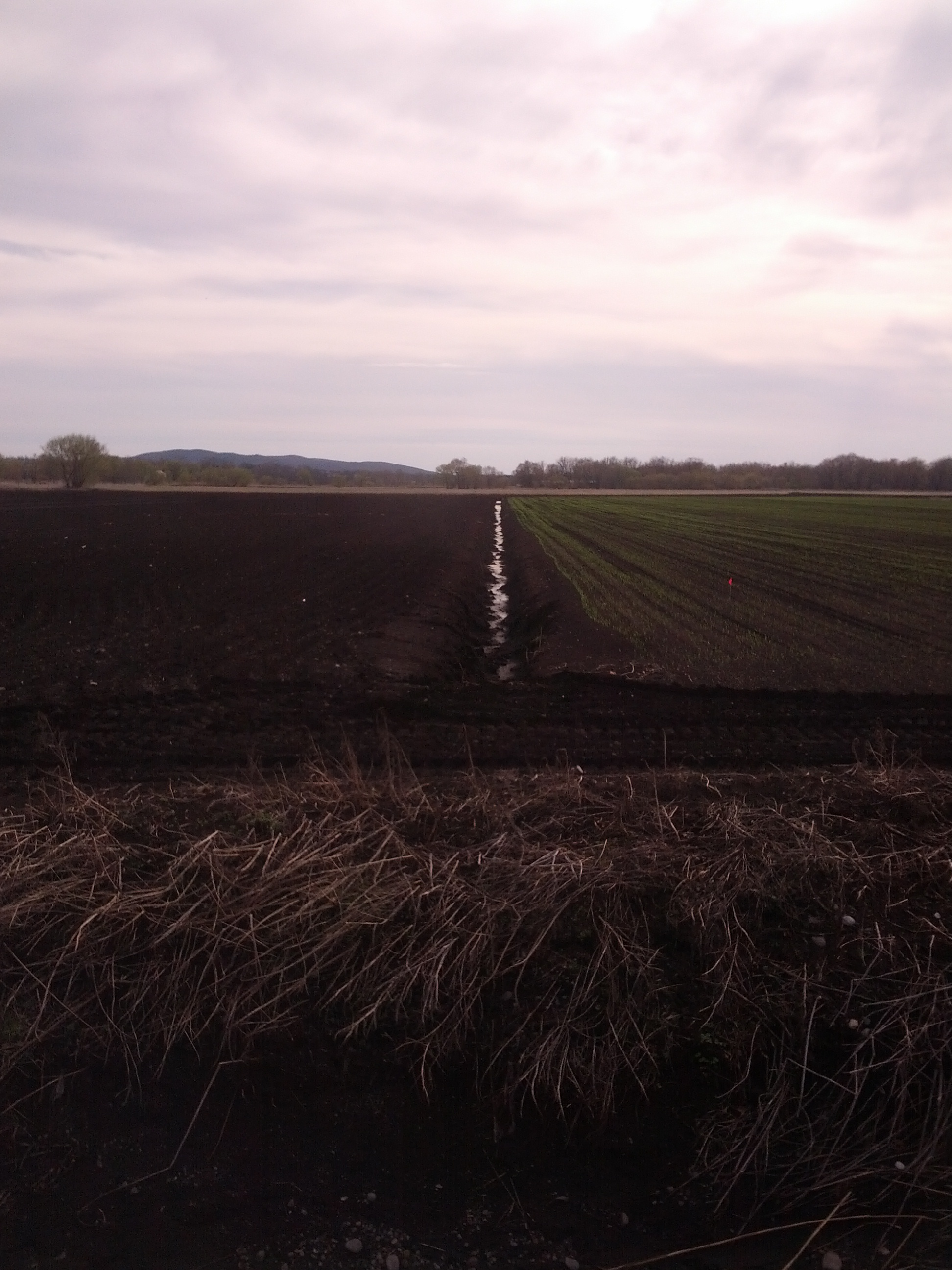



















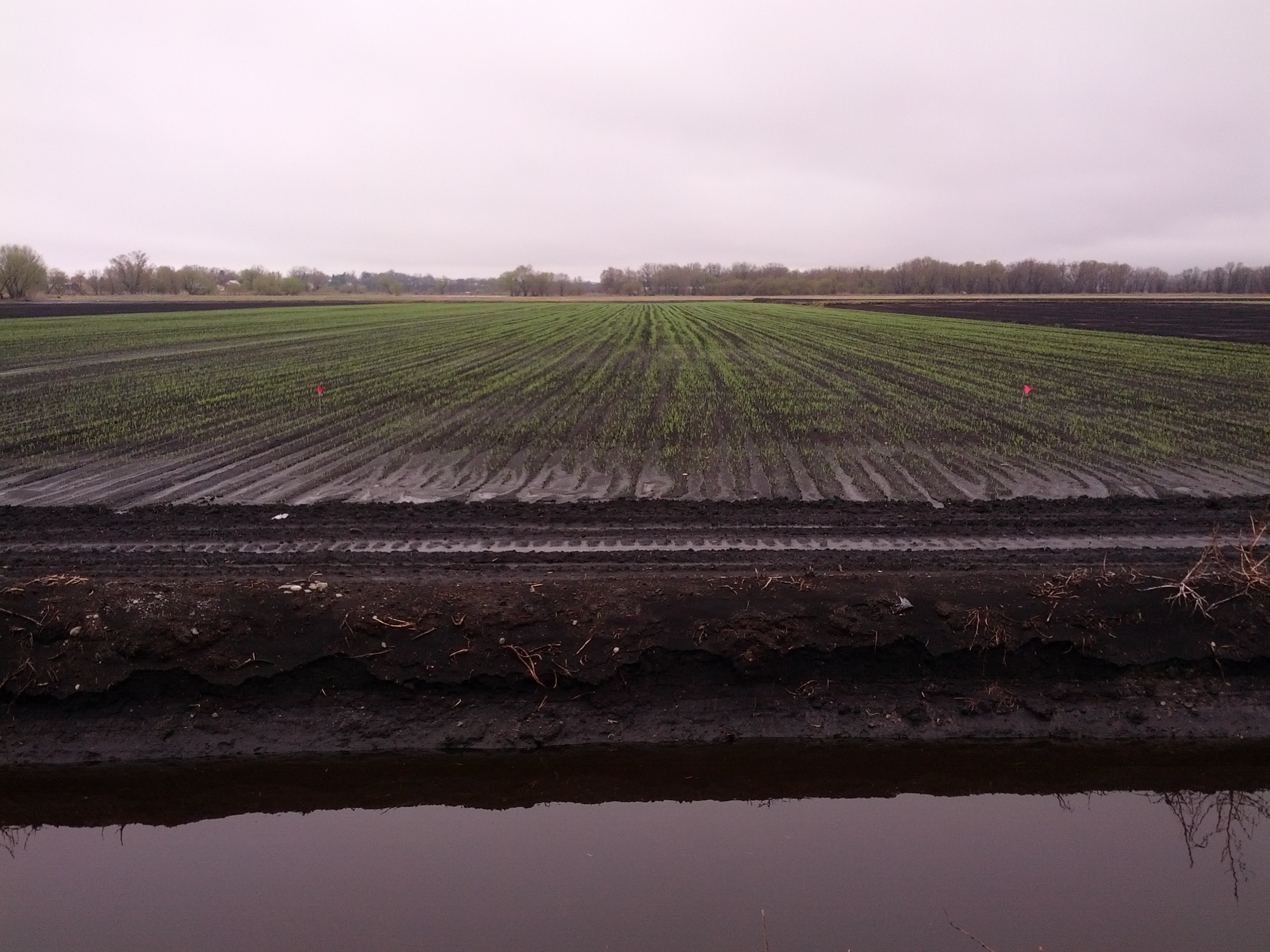
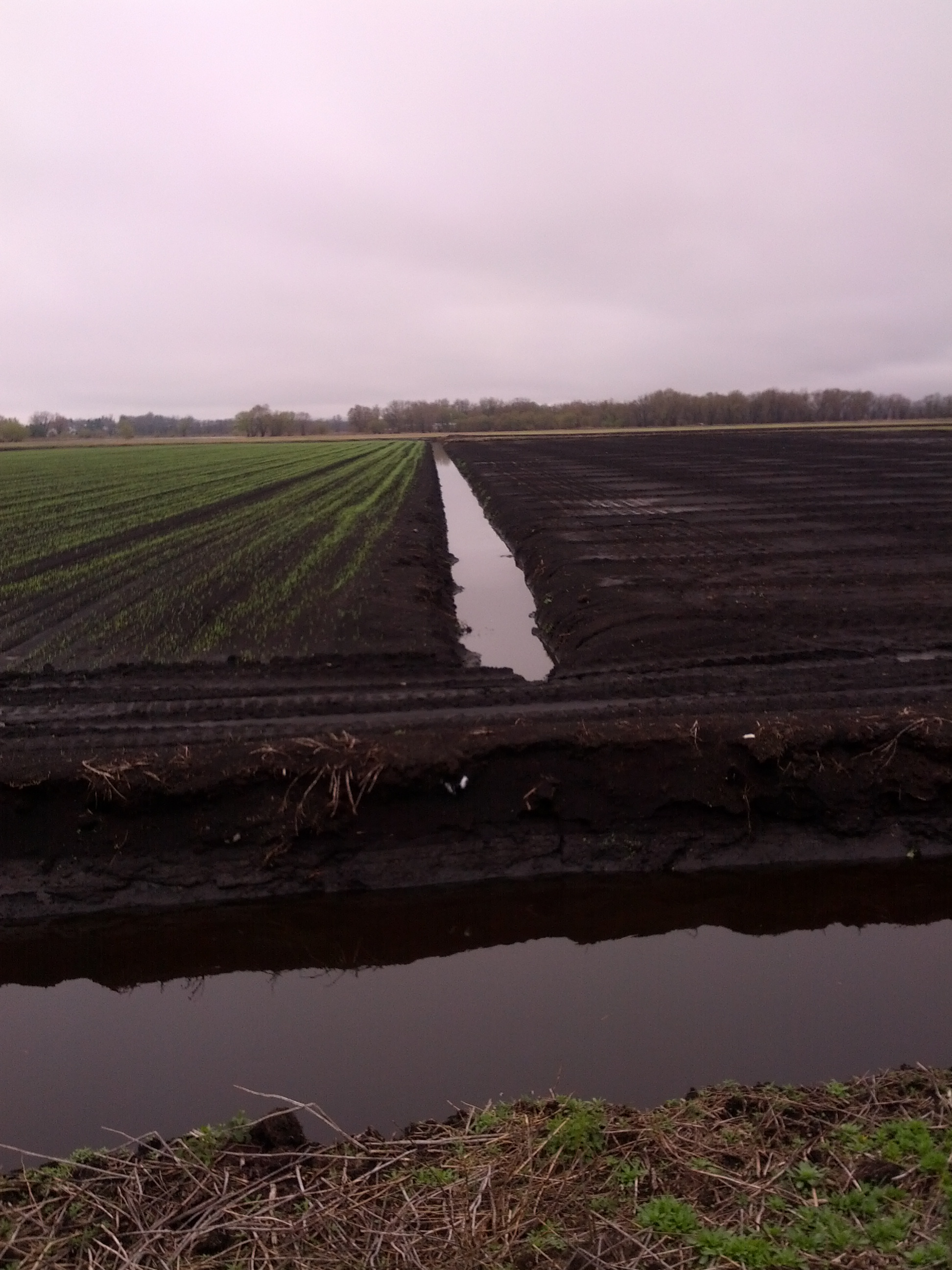
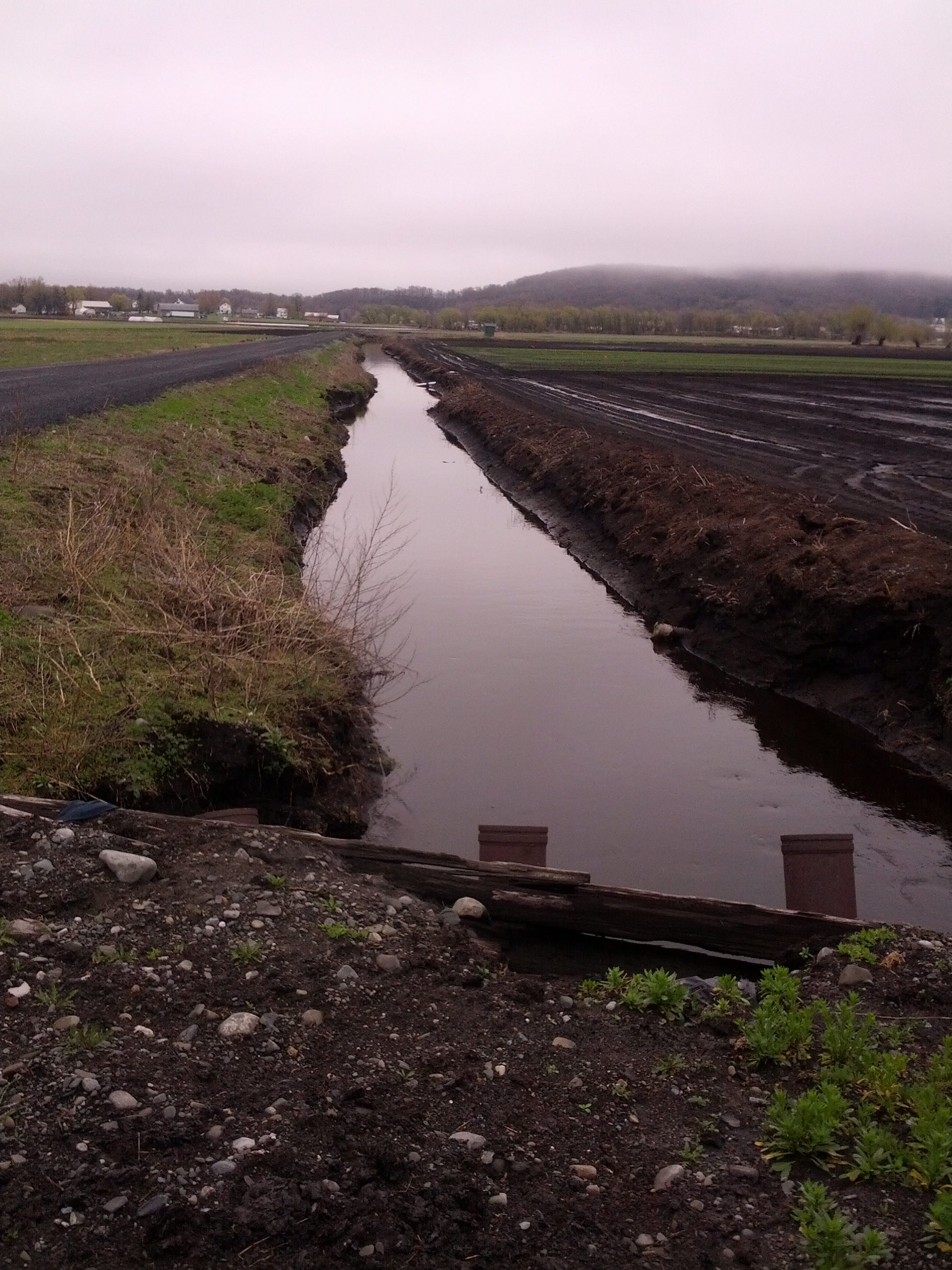
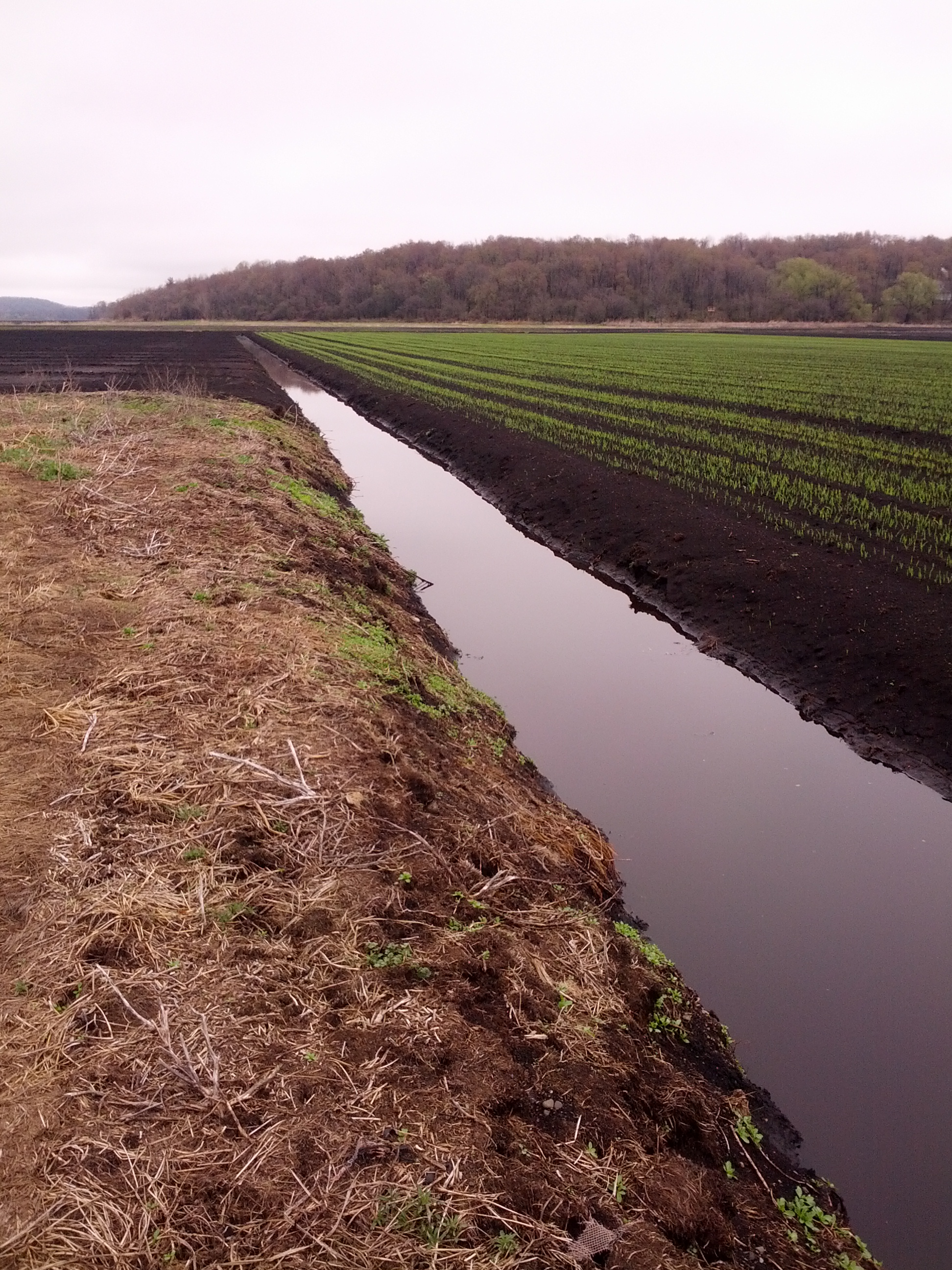



























 Mucking it up in Muckville